What QMS integration needs from the systems around it
A non-conformance is the quality record raised when something fails inspection, and it only becomes actionable when joined to operational data held elsewhere.
- The batch or serial record: which units were produced in the same run, held in the production or execution system
- Material genealogy: which incoming lot went into which finished units, from goods receipt and consumption records in the ERP
- Machine and tool history: which asset produced the affected units and what changed on it, from the machine layer or maintenance system
- Shipment status: which of those units are still in the warehouse and which have already gone to customers
- Supplier attribution: which supplier provided the material, deciding whether the corrective action is internal or a supplier claim
All five facts that determine the scope belong to another system, and two of them start on the shop floor. That is why containment speed depends on first moving machine data into enterprise systems. Assembling the five by hand is what turns the boundary into a judgment call rather than a calculation.
Why does containment get drawn too wide?
A precise boundary takes longer to establish than a generous one, and the clock is running. If tracing the affected lot takes two days and blocking a week of production takes an hour, the wide block is the responsible choice.
The trace is slow because genealogy is usually only partial. Material genealogy links a finished unit back to the incoming lots it contains. Most plants can say which finished units came from which production order. Far fewer can say which material lot went into which unit, particularly where material is consumed continuously rather than issued per kit.
Shipment timing then decides what the finding costs. A defect caught while stock is still in the warehouse is an inventory problem, and the same defect caught after dispatch is a customer notification. The difference is often a matter of hours rather than anything about the fault itself.
So the cost of a slow trace is rarely counted as a quality cost.
What weak QMS integration costs a plant
Delay in answering the scope question has a price, and it lands in different departments.
- Good stock blocked: a conservative boundary quarantines units that were never affected, tying up inventory and delaying clean shipments
- Product shipped after the finding: units keep leaving while the trace runs, turning a contained issue into a customer-facing one
- Supplier claims that expire: recovering cost from a supplier requires proving which lot was theirs, and the commercial window for that closes
- Repeat findings: corrective actions closed without connecting the defect to a machine, tool, or supplier pattern fix the instance, not the cause
Only the first is a quality department cost. The rest land in inventory, in purchasing, and eventually with the customer. The usual response is to tighten the quality process itself.
Why QMS integration is a data join, not a process fix
Plants generally respond to quality problems by strengthening the QMS: more inspection points, better non-conformance workflows, tighter corrective action discipline. That improves how well a problem is documented, which is the half that already works.
The half that does not is scope, and scope is a data join. Connecting a defect to the units that share its cause needs the production, material, and shipment records reachable from the quality record. No amount of process improvement produces that join, because the data is not in the QMS.
The plants that answer quickly are the ones where a batch number returns its lot, machine, and shipment list without opening a second system. Whether that record still holds up under audit months later rests on the same connections between systems, which is the durability problem behind manufacturing traceability.
Manufacturers place that join in one of three places, each with a different limit. A quality module inside the ERP or MES has the genealogy natively and offers less on investigation workflow, document control, and audit management. A dedicated QMS is strong on all three and sits outside the operational data. Tracing by hand is what most plants do, and it is what makes the scope question take days.
How does an integration platform connect a QMS to production?
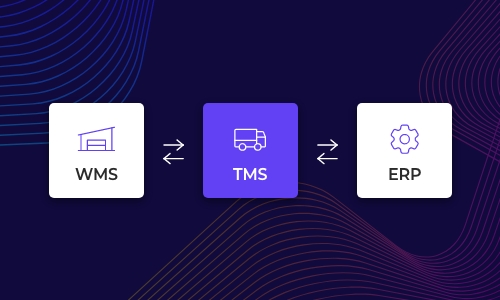
An integration platform-as-a-service (iPaaS) connects the quality management system to the ERP, the production system, and the warehouse, which hold the material, machine, and shipment data a containment decision needs. Each of those connects to the integration platform once rather than to each other, so a question raised in the QMS can reach all three.
The integration platform also has to answer immediately, because a containment decision cannot wait for a nightly file. The identifiers rarely match either: a defect code in the QMS, a part reference in the ERP, and a serial format on the line are three vocabularies for the same unit. Answering in real time and reshaping those references on the way is what separates an integration platform from a scheduled export.
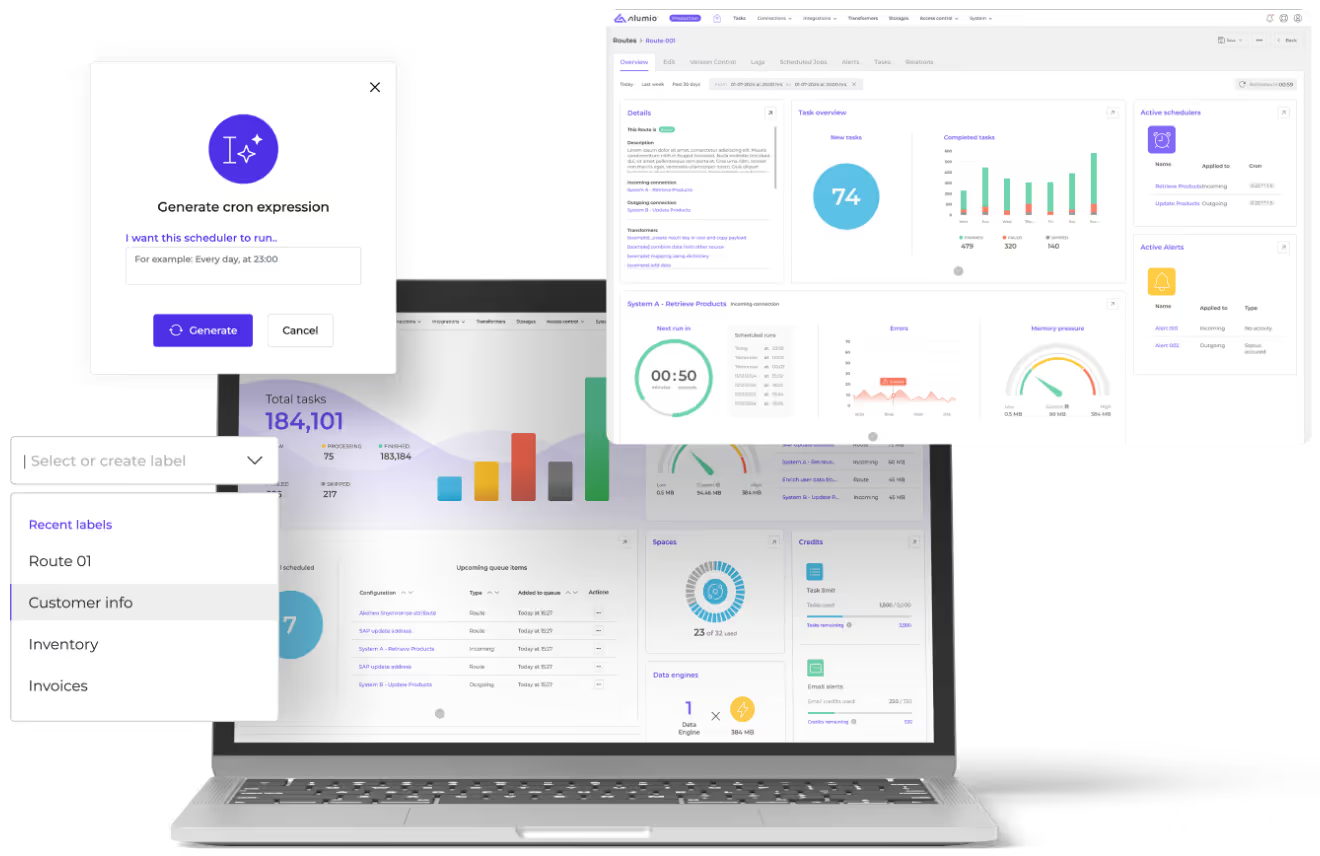
The Alumio iPaaS is built for joins of this kind, between operational systems that were never designed to answer each other. That work takes four forms.
- Genealogy returned on request: a real-time Proxy puts the question to the production and material systems and returns the answer, so a batch number comes back with its lot, machine, and shift while the decision is still open
- Findings pushed to the systems that act: an event-driven data Route carries a non-conformance to the warehouse and planning systems, so affected stock can be held there rather than after somebody raises a ticket
- One vocabulary across systems: a data Transformer reshapes defect codes, material references, and unit identifiers, so the same fault means the same thing in the QMS, the ERP, and a supplier claim
- A record of what the decision rested on: detailed Logs hold which data was returned and when, which is what an auditor is asking for when they pick a serial number at random
Configuration handles the mapping and routing rules, with the Code Transformer available for the cases configuration cannot express. The second plant reuses the first plant’s genealogy logic rather than rebuilding it. What changes is not how well a defect is documented, but how quickly its scope can be stated.
What QMS integration returns to a manufacturer
Quality systems get bought to satisfy certification and judged on whether audits pass. That framing sets the bar at documentation, which is why many plants have excellent records and slow answers.
In a plant the containment decision is split across three desks. The quality manager owns the finding and the corrective action. The production planner decides what gets held and what keeps running. The purchasing lead has to evidence a supplier lot before the claim window closes. None of them sees the whole picture from their own system.
Shortening the trace changes the economics of every finding. A defect contained within hours affects a lot rather than a week of production. Running that join on an integration platform is what makes it repeatable across plants rather than a site-by-site build. What the business gets is containment scoped to the units actually affected, supplier claims substantiated while still recoverable, and an audit response that is a query, not a project.





.svg)







.svg)
.svg)
.svg)
.svg)
.svg)
.svg)
