Introducing the Alumio Route Builder
Now connect, orchestrate, and govern integrations at scale from one visual interface

Unify your systems, suppliers, and sales channels to create a real-time, data-driven distribution network.



Bridge ERPs, WMS, PIM, CRM, and EDI partners in one platform to create a single source of truth and eliminate manual data handling.

Standardize and automate supplier and customer integrations, cutting onboarding times from months to days with reusable templates and mappings.

Sync real-time stock, pricing tiers, and product information across ERP, e-commerce, and marketplaces to ensure accuracy and avoid costly order errors.

Data silos between systems and suppliers
Disconnected ERPs, PIMs, WMS, and ecommerce systems create inconsistent data and slow processes.

Unify your data in one integration layer
Centralize all data flows in one integration layer with real-time validation, transformations, and monitoring, to stay in sync.
Manual processes and IT bottlenecks
Order uploads, CSV imports, and EDI errors often require IT intervention and delay business decisions.
Empower your workflows and teams
Automate order, product, and inventory flows across all systems and partners with low-code automation and error alerts that anyone can manage.
Legacy systems that block modernization
Replacing your ERP or WMS is risky and expensive, but your business still needs to connect with modern SaaS and APIs.
Easily connect legacy and cloud systems
Alumio bridges legacy and cloud systems seamlessly, enabling gradual modernization without rip-and-replace projects.
Inaccurate pricing and inventory data
Outdated stock levels or pricing tiers across platforms cause cancelled orders, lost trust, and margin erosion.
Keep product, price, and stock data in sync
Sync ERP, ecommerce, CRM, and partner portals in real time to maintain accurate, consistent data across every channel.
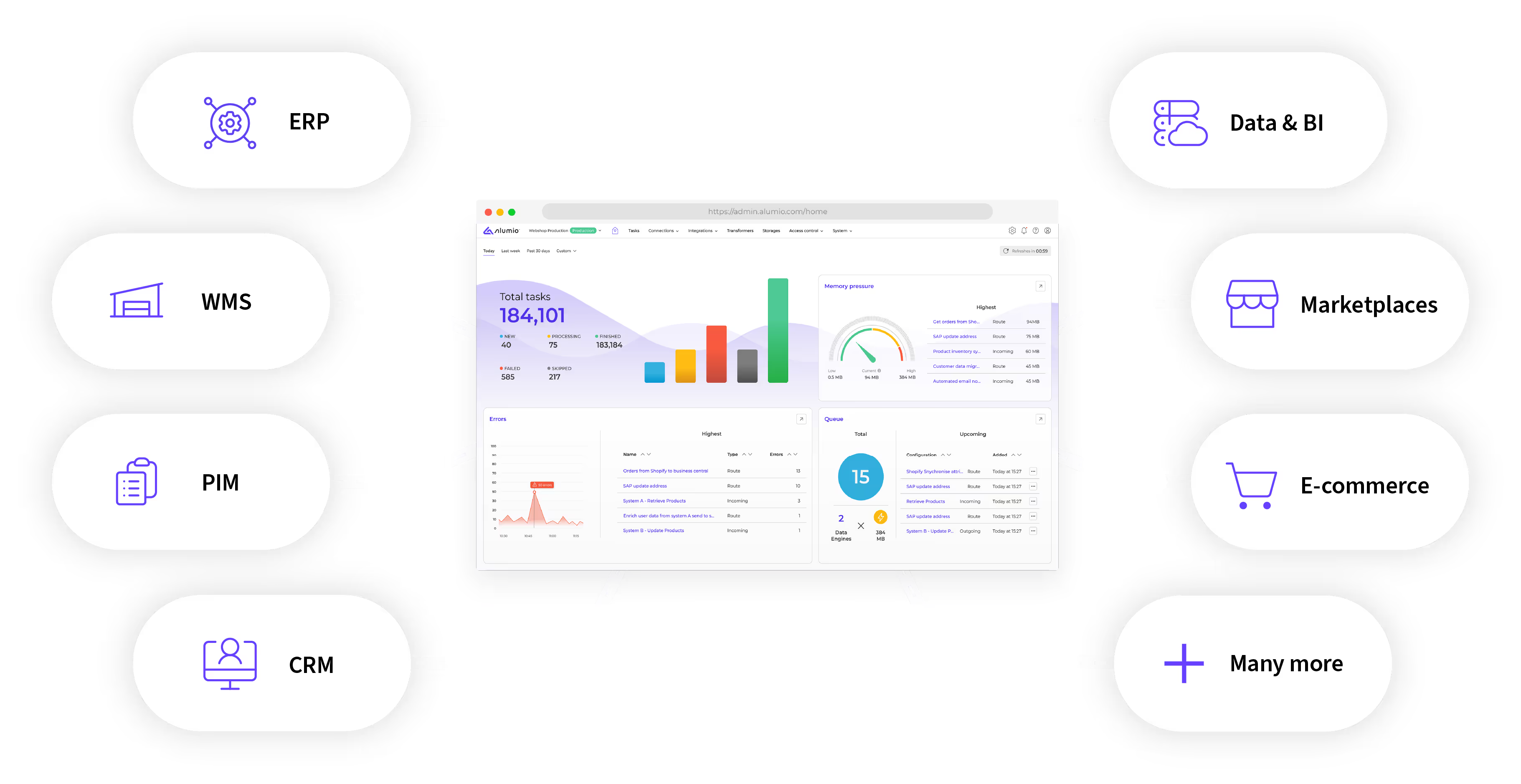




Getting started is simple. Identify manual or error-prone processes, like ERP↔ecommerce orders, supplier EDI, or product data updates, and use Alumio to automate them quickly. From there, you can scale integrations across your entire partner ecosystem using Alumio’s reusable templates and mappings.
Yes. Alumio supports all major EDI standards (X12, EDIFACT, cXML) and modern REST or GraphQL APIs, letting you manage both in one platform and translate between them seamlessly.
Typically just a few days. With reusable mappings and transformation templates, you can connect new trading partners without affecting existing flows or requiring major IT involvement.
Absolutely. Alumio acts as a neutral integration layer between your ERP and modern cloud apps, enabling you to innovate and scale without the cost and risk of replacing core systems.







.svg)
.svg)
.svg)
.svg)
.svg)
.svg)