




.svg)


What is an IT ecosystem?
In the same way that all plants and animals in a garden depend on each other and on the environment around them, an IT ecosystem is a network of interconnected systems, tools, and technologies that work together in a business environment. Just like in a real ecosystem, each component supports the others, creating a powerful whole that is greater than the sum of its parts.
An IT ecosystem typically includes:
- Hardware: physical devices like servers, computers, and storage systems.
- Software: applications and platforms that run on hardware, including ERP systems, CRMs, and e-commerce platforms.
- Data: the information generated, stored, and processed by all your systems.
- Networks: the connections between systems, both internal (LAN) and external (internet).
- People: the employees, vendors, and partners who interact with and maintain the ecosystem.
An iPaaS (integration Platform as a Service) like Alumio can be thought of as the soil and nutrients of your garden — it provides the essential connections and resources that allow all parts of the ecosystem to grow, thrive, and work in harmony.
Want to know why Alumio is the best bet? Check out all the platform’s benefits for different industries.
What do IT ecosystems look like?
In the same way not every tree looks the same, not all IT ecosystems are alike. Instead, composing your ideal IT ecosystem depends on your specific industry, business goals, and operational needs. Here are some common IT ecosystem setups:
- E-commerce ecosystems: typically include an ERP system for managing finances and inventory, an e-commerce platform for online sales, a CRM for customer management, and various marketing tools. These components need to communicate seamlessly to ensure smooth operations and great customer experiences.
- Manufacturing ecosystems: often revolve around an ERP system at the core, supported by MES (Manufacturing Execution Systems), supply chain management tools, and IoT devices. Integration of these systems allows for real-time production monitoring and optimized supply chains.
- Healthcare ecosystems: include EHR (Electronic Health Records) systems, billing software, medical devices, and patient management portals. Smooth integration is critical here to ensure patient data is accurate, accessible, and secure.
No matter what your ecosystem looks like, the key to growth is ensuring all components work together harmoniously, just as every plant, animal, and element of a garden supports the whole.
How can an iPaaS make your IT ecosystem bloom?
Alumio's integration Platform as a Service (iPaaS) is like a master gardener who knows exactly how to cultivate your IT ecosystem to help it reach its full potential. Here's how:
- Seamlessly connecting your digital garden: Alumio's platform provides over 200 connectors that allow different systems and applications to communicate effortlessly, like a network of roots and branches that keep the garden alive. Whether you're connecting your ERP, e-commerce platform, CRM, or PIM, Alumio ensures all your systems work as one cohesive unit.
- Clearing weeds for healthy growth: data silos are the weeds of any IT ecosystem. Alumio removes these barriers by providing centralized data management that ensures all parts of your ecosystem have access to clean, consistent, and accurate data. This means your teams and systems are always working with the best information available.
- Enabling innovation to flourish: Just as a garden requires the right conditions to blossom, your IT ecosystem needs the flexibility to innovate. Alumio's low-code platform allows for rapid integration and testing of new tools, technologies, and workflows, so your business can adapt quickly to market changes and opportunities.
- Protecting your ecosystem: security and compliance are like the walls around your garden. Alumio provides enterprise-grade security features and data governance tools that keep your ecosystem protected, just as a garden wall keeps out unwanted pests.
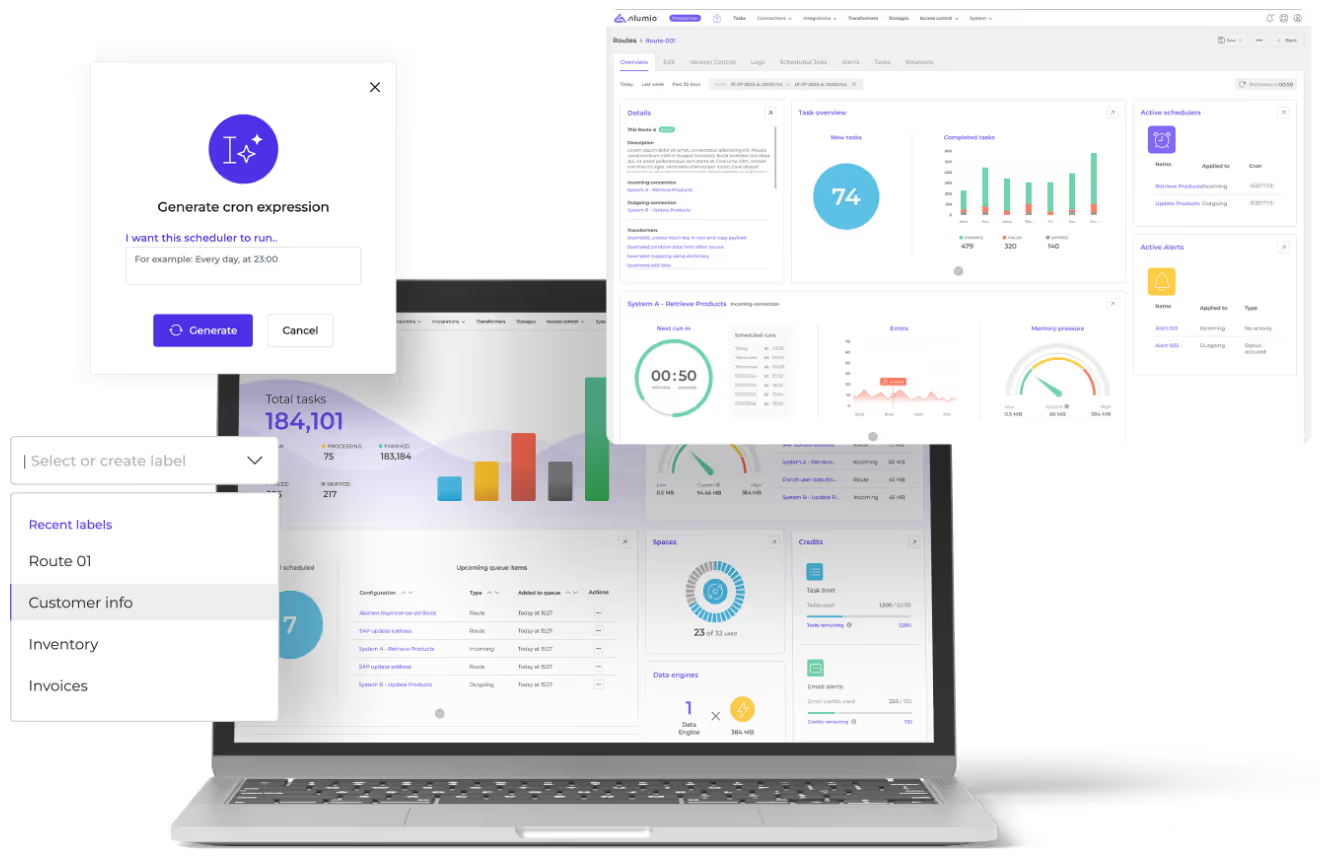
- Monitoring the health of your ecosystem: Alumio's dashboard gives you a bird's eye view of your entire IT ecosystem, helping you spot issues, optimize performance, and ensure that all parts of your digital garden are healthy and productive. Think of it as your personal monitoring system for your garden's well-being.
Conclusion
Just as a well-maintained garden requires the right balance of nutrients, water, and care to thrive, your IT ecosystem needs the right integration platform to connect, manage, and optimize all its components to accommodate both current and future integration needs.
With Alumio, it is spring all year round!




.avif)

.svg)
.svg)
.svg)
.svg)
.svg)
.svg)
